How to Spot Fake Portable Air Conditioners and Cool a Room Properly
Smart Home DIY
Quick Summary
Small online adverts for “portable air conditioners” often promise icy rooms from a USB box, a tank of water and a fan. In most UK homes those devices are not air conditioners. They are usually evaporative coolers, mist fans or ordinary desk fans with dramatic marketing. They can make air feel fresher at close range in the right conditions, but they cannot remove heat from a sealed room the way a real compressor-based air conditioner does.
The sensible approach is to check the claims before buying, understand whether humidity will make the gadget worse, use shade and night ventilation first, set up fans properly, manage heat from electronics, and only consider a real portable AC unit when the room, venting route and running cost make sense.
Why This Matters During a UK Heat Spell
UK homes are getting more uncomfortable during hot spells, and many spare rooms, loft conversions and home offices were never designed for repeated summer heat. That creates a perfect market for miracle cooling gadgets. The adverts usually follow the same script: a tiny cube on a desk, blue icy graphics, a person looking relieved, and a headline that implies you can cool a whole room for pennies without a hose, window kit or proper power draw.
Recent UK technology coverage has called out fake portable air-conditioner advertising again, and the timing makes sense. When people are tired, hot and trying to work, they do not want a thermodynamics lecture. They want the room to stop feeling like a parked car. Unfortunately, that is exactly when bad claims work best. A device that should be described as a personal evaporative cooler gets sold as a room air conditioner. A fan with a water tank gets presented like a compact replacement for a compressor. A cheap gadget becomes expensive because it delays the fixes that would actually help.
This guide is for beginner-to-intermediate DIY tech readers who want to cool a UK room properly without being mugged by vague product pages. It is not a list of five air conditioners to buy. It is a practical decision workflow: what the gadget really is, what claims should make you suspicious, how to test your room, which free fixes to try first, and when a real portable air conditioner is justified.
If your problem is specifically a desk setup, also read how to set up a cooler home office desk during a UK heatwave. If you are trying to keep networking kit alive in a hot cupboard, the router and NAS heatwave maintenance guide is the better companion. This article focuses on the buying and setup mistake: confusing personal cooling with room cooling.
The Simple Test: Where Does the Heat Go?
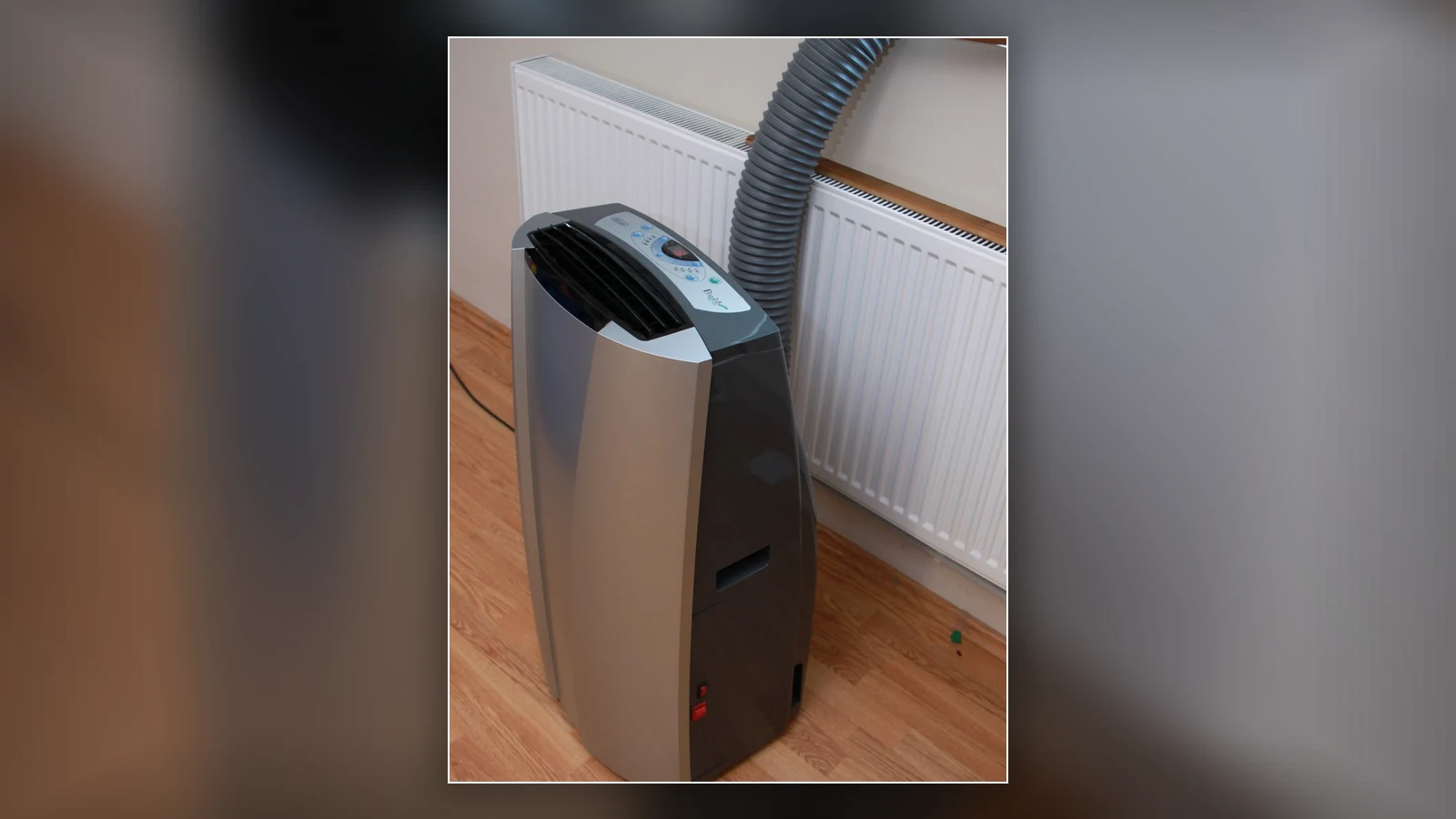
A real air conditioner cools by moving heat from inside the room to outside the room. That is why portable AC units have an exhaust hose. The hose is annoying, bulky and visually unromantic, but it is the whole point. Without a way to dump heat outside, the room cannot meaningfully lose heat. The device may move air around, add moisture, or make your skin feel cooler at close range, but it is not doing the same job as air conditioning.
Use this test whenever a product page looks too good to be true: ask where the heat goes. If the answer is “into a tiny water tank”, “into an ice drawer”, or “nowhere obvious”, the product is not cooling a room in the air-conditioning sense. It may still be useful as a personal fan. It may be pleasant beside a bed for ten minutes. But it is not a magic fridge for a spare bedroom.
That distinction matters because a UK room can gain heat from sunlight, warm walls, roof spaces, laptops, monitors, chargers, games consoles, routers and people. A small fan can help your body shed heat, but it does not remove that heat from the room. A device that adds moisture can even make the room feel worse if humidity is already high. Comfort is not only about the air temperature on a screen. Humidity, air movement, radiant heat from surfaces and the heat coming off your equipment all matter.
Red Flags in Mini Air Conditioner Ads
Misleading cooling gadgets often share a few warning signs. The biggest is a dramatic claim without a realistic power draw. Cooling a room takes energy. A USB-powered cube cannot quietly do the same job as a compressor-based portable AC unit that draws hundreds or thousands of watts. If the product claims to cool a whole bedroom while running from a small cable, treat that as marketing fog, not engineering.
Watch for product pages that avoid clear wording. “Air cooler”, “cooling fan”, “personal climate device” and “portable air conditioner” get mixed together as if they mean the same thing. They do not. An evaporative cooler uses water evaporation to reduce air temperature slightly under the right conditions, usually in dry air. A fan moves air. A real air conditioner uses a refrigeration cycle and vents heat outside. The names are not interchangeable just because the listing would prefer you not to notice.
Be suspicious of stock photos showing frost, snowflake effects, icy blue mist or people wrapped in blankets beside a device smaller than a tissue box. Also check whether the advert uses fake countdown timers, invented local news endorsements, suspicious review widgets or wording that implies mainstream retailers are somehow hiding a secret cooling trick. Cooling physics has not been suppressed by Big Radiator. If a gadget really cooled whole rooms from a USB lead, every office, hotel and hospital would know.
Finally, check the practical details. Does the page state room size, noise level, power use, water capacity, filter maintenance and humidity limits? Does it explain that windows and ventilation affect results? Does it say where replacement filters come from? If not, the seller may be relying on a heatwave impulse rather than a product that survives scrutiny.
Evaporative Coolers Are Not Always Scams, But They Are Often Mis-sold
Evaporative cooling is real. When water evaporates, it can absorb heat from the surrounding air. That is why sweat works, and why some desert coolers are useful in hot, dry climates. The problem is that many UK rooms are not hot and dry in the way those systems prefer. During muggy weather, adding moisture to the air can make people feel stickier. If the room is closed up, a small water-based cooler can increase humidity while doing little to lower the actual room temperature.
That does not mean every evaporative cooler belongs in the bin. A personal unit close to your face can feel refreshing because it combines airflow with a bit of evaporative effect. A damp cloth near a fan can also feel pleasant for a short period. The honest description is personal comfort, not room air conditioning. If you buy one with that expectation, fine. If you buy one expecting a bedroom to drop by several degrees with the door shut, disappointment is doing push-ups in the hallway.
The beginner-friendly rule is this: if the device uses water but has no exhaust hose, treat it as a personal cooler or fan. Keep a window or door strategy in mind so humidity does not build up. Clean the tank and filter properly. Do not let stagnant water become a new household hobby. And do not run it beside sensitive electronics where mist, drips or condensation could become a problem.
Start With Heat Blocking, Not Gadget Buying
The cheapest cooling upgrade is usually stopping heat before it enters. Close curtains, blinds or reflective coverings before the sun hits the glass, not after the room is already hot. South- and west-facing rooms can gain a surprising amount of heat through windows in the afternoon. If you wait until the desk is warm, the monitor is warm and the wall is radiating heat back at you, a fan has a harder job.
External shade is even better where practical. An awning, parasol, shutter, outdoor blind or even a temporary shade arrangement can reduce solar gain before it reaches the glass. Internal blinds help, but the heat has already entered the window area. Renters and flat owners may have fewer options, so the realistic answer might be thermal curtains, reflective film where allowed, or simply moving the work position away from direct sun during the worst hours.
Also remove unnecessary indoor heat. Turn off spare monitors, chargers, printers, consoles and lights. Move a desktop PC out from under a cramped desk if it is warming your legs. Avoid charging every battery pack in the same room during the hottest part of the day. These changes are boring, which is why adverts ignore them, but boring physics usually beats exciting plastic.
Use Fans Properly Instead of Randomly
A fan cools people, not rooms, unless it is helping exchange air with a cooler space. Pointing a fan at yourself helps sweat evaporate and moves warm air away from your skin. Pointing it at an empty room does very little. If nobody is there, switch it off. It is not storing coolness for later like a considerate appliance.
For evening cooling, use fans with the window strategy. When the outside air becomes cooler than the inside air, place a fan to help exhaust warm indoor air or draw cooler air through a safe route. Cross-ventilation works better than one lonely open window. If your room has only one window, opening an internal door and using a fan to move air toward a cooler hallway can help. If the outside air is hotter than indoors, blasting it into the room may be counterproductive.
Think about height. Warm air collects higher in the room, but people feel airflow at body level. A pedestal fan across the bed or desk can feel better than a tiny fan shouting at your ankles. Clean dust from grilles and blades so the fan actually moves air. Keep cables away from walkways and avoid daisy-chaining old extension leads just because the ideal fan position is across the room.
Measure Temperature and Humidity Before Deciding
You do not need a lab, but a basic temperature and humidity reading helps separate vibes from evidence. Note the indoor temperature, outdoor temperature, humidity and time of day. If humidity is already high, a water-based personal cooler is less attractive. If the room stays hotter than outdoors late into the evening, the problem may be stored heat in walls, roof spaces or equipment rather than a lack of desk gadgets.
Measurements also stop you giving credit to the wrong fix. A fan can make you feel better even when the room temperature barely changes. That is still useful, but it is different from cooling the room. Closing blinds at 10am may prevent a 3pm spike. Opening windows too early may heat the room. A few notes over two or three hot days will teach you more than one panicked afternoon with a shopping basket open.
If you already use smart home kit, a simple sensor can help automate reminders: close blinds before the sun hits, open windows when outside air finally drops, and turn desk equipment off when the room is unoccupied. Do not overbuild it. The aim is to make the room behave a little less stupidly, not to create a NASA-style climate dashboard for a box room.
Useful Bits, Without Turning This Into a Shopping List
Most of this guide works without buying anything, but one small accessory can be genuinely useful if you already use a fan in a bedroom or office. A timer or smart plug can stop a fan running all night or all afternoon in an empty room. For readers who want app scheduling rather than another manual plug timer, a checked basic smart plug for fan scheduling is a sensible example. Use it only with ordinary low-load fans within the plug rating, not with heaters, portable air conditioners, extension-lead towers or anything the manufacturer says should not be remotely switched.
That is the whole recommendation. This is deliberately not an Amazon-heavy “cooling kit” article. The bigger wins are shade, timing, airflow and realistic expectations. If you do buy anything else, buy it to solve a measured problem: a fan that reaches your actual sitting position, a safe extension arrangement, a window kit for a real AC unit, or a sensor if humidity keeps confusing your decisions.
When a Real Portable Air Conditioner Makes Sense
A proper portable AC unit can be the right answer for some UK rooms. It is especially worth considering when the room is used for work, sleep, health needs or expensive electronics, and when passive measures cannot keep it tolerable. But a real unit comes with compromises: cost, noise, electricity use, storage, condensate handling, security concerns around window venting, and the need to route hot air outside properly.
Before buying, check the room size, window type and hose route. A portable AC with a badly fitted hose can pull warm air back in and waste a lot of energy. Single-hose units are common but imperfect because they exhaust indoor air and create negative pressure. Dual-hose designs can be better, but availability and price vary. Either way, the venting kit matters. A unit sat in the middle of the room with the hose loosely poked at a window is not a setup; it is a noisy compromise with paperwork.
Also think about noise. Many portable AC units are much louder than people expect, especially in bedrooms or small offices. Read the noise figures with scepticism and consider where the unit will sit. A cooler room that sounds like a small aircraft may not help you sleep or work. If the room only overheats for a few afternoons per year, shade and fan improvements may be enough. If it is unusable for weeks, a real AC unit may be justified, but buy it as a serious appliance rather than a miracle cube.
A Practical Room-Cooling Workflow
- Block sun early. Close curtains, blinds or shade before direct sun reaches the glass.
- Remove internal heat. Switch off unused monitors, chargers, consoles, printers and decorative lighting.
- Measure the room. Track temperature and humidity at the times you actually struggle.
- Use airflow where people are. Aim fans at occupants, not empty corners.
- Ventilate at the right time. Open up when outside air is cooler, not automatically at midday.
- Treat water-based coolers honestly. Use them for personal comfort only, and watch humidity.
- Only buy real AC when venting works. Check window kit, hose route, noise and running cost first.
Run that sequence before buying anything advertised with suspicious ice graphics. It gives you a calmer decision and usually a better room.
Common Mistakes That Waste Money
The first mistake is buying after midnight during a heatwave. That is when exaggerated adverts feel most persuasive and returns become tomorrow's problem. If you cannot clearly explain whether the product is a fan, evaporative cooler or real air conditioner, pause. The seller's job is to make the purchase feel easy. Your job is to make the room better.
The second mistake is ignoring humidity. A water tank is not automatically a cooling feature in a UK room. If the air is already damp, extra moisture can make the room feel clammy and reduce the benefit of evaporation from your skin. A dehumidifier is not a cooling device either, and it can add heat while running, but in some homes lower humidity improves comfort. Again, measure before guessing.
The third mistake is treating a portable AC as plug-and-play without planning the exhaust. The unit must vent hot air outside, and the window gap must be sealed reasonably well. Otherwise you spend money cooling air while dragging warm replacement air back into the room. That is not clever cooling. That is paying an electricity bill to argue with a window.
Final Verdict
Fake portable air-conditioner claims work because they sell a simple answer to an uncomfortable problem. The fix is not to become cynical about every fan or cooler. The fix is to name the device properly. Fans move air. Evaporative coolers can help personal comfort in suitable conditions. Real air conditioners remove heat and need an exhaust path. Once you understand that, the adverts lose a lot of their power.
For most UK rooms, start with shade, heat reduction, measured airflow and night ventilation. Use small gadgets only where they solve a specific job. If the room genuinely needs mechanical cooling, buy a real portable AC unit with a proper window plan rather than a tiny box promising winter from a USB lead. Your room will not care about the advert. It will care where the heat goes.
Editorial Notes
This topic was selected after lightweight UK trend checks showed renewed coverage of fake portable air-conditioner ads, broader heat and home-comfort interest, and ongoing community-style demand for practical room-cooling fixes. It is intentionally non-product-led: the most useful advice is diagnosis and setup discipline, not another “five cooling gadgets” list.
One contextual affiliate link is included for a basic smart plug used only as a fan timer example. It is not a full product pick, and the article remains useful without buying it.
Review Freshness
Last reviewed: 11 July 2026
Update cadence: Seasonally, or sooner if UK consumer guidance, portable AC labelling or major retailer listings change.